
Overview
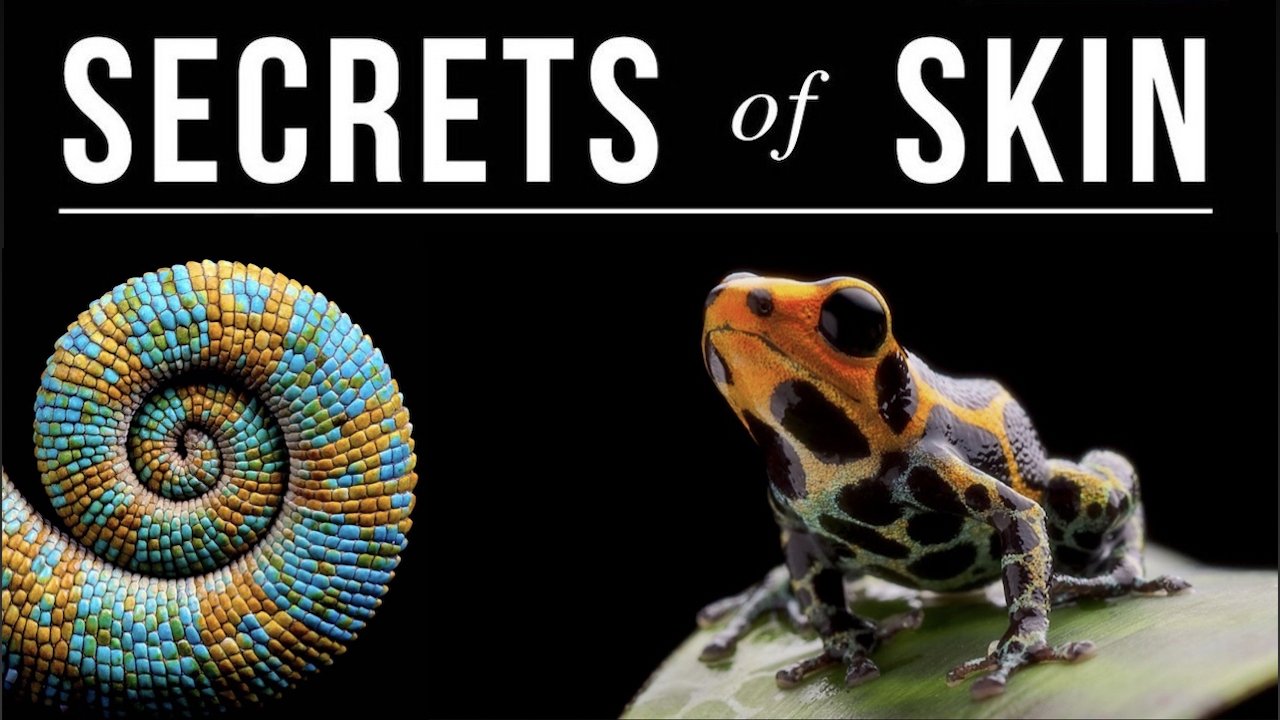
Professor Ben Garrod explores how some snakes can see using heat, how crocodiles feel through their jaws and how some animals use electricity to navigate their world - and it is all only possible because of remarkable adaptations to their skin.Whether animals live on land, in the sea, or in subterranean communities, skin is critical in allowing them to sense the world around them, be it to find food, navigate harsh environments or avoid danger. Even the toughest of animals, crocodilians, have a surprisingly sensitive side when it comes to the specialised skin sensors they use to detect the tiniest of ripples in the water. Deadly pit vipers use heat sensors to ambush the small rodents they feed on. Professor Ben Garrod puts them to the test with an experiment to see if they will strike a cold or warm ping-pong ball. He also uncovers how the less-than-attractive leaf-nosed bat puts its facial skin to good use as an acoustic lens to echolocate around its dense forest habitat.

Comments
Be the first to comment.
Leave a comment
Your email won't be published. Comments are reviewed before they appear.