
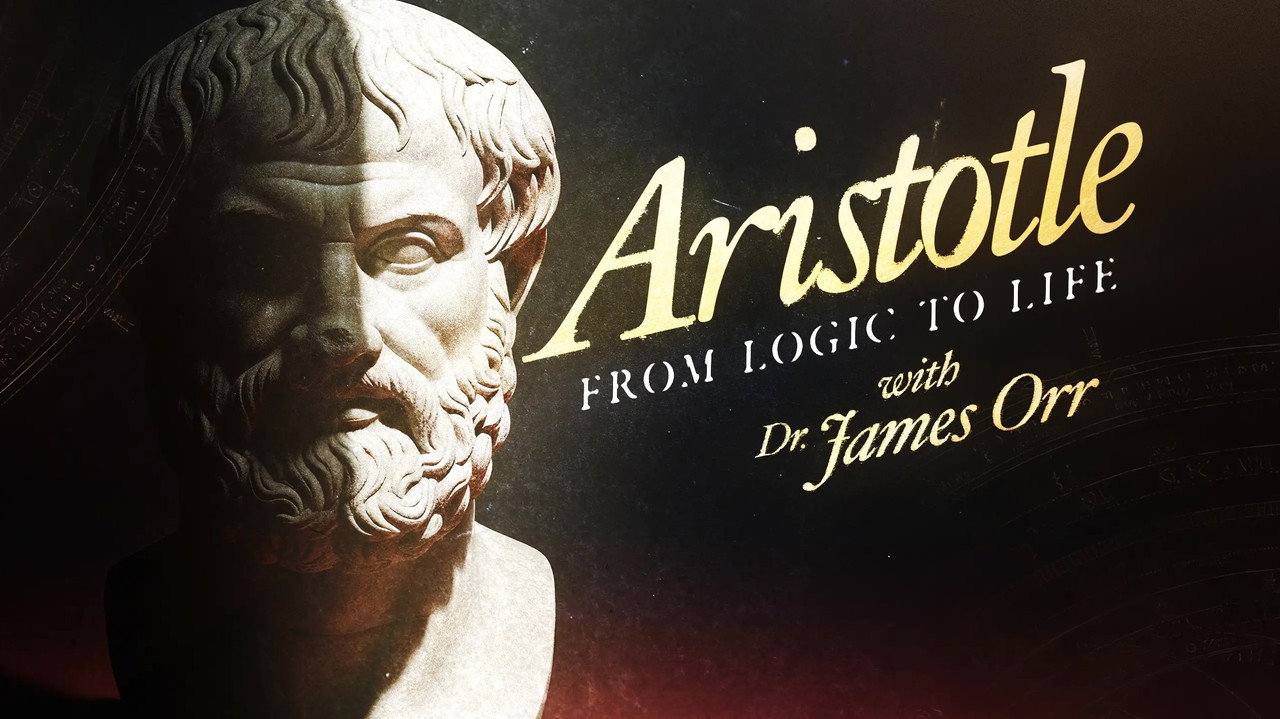
Aristotle's Poetics
Free on SceneLog — log in or create an account to track it.
Overview
In lecture six, we consider Aristotle’s Poetics, focusing on his theory of mimesis (artistic representation) and his defense of poetry—especially tragedy—against Plato’s claim that poets should be excluded from the ideal city. Aristotle argues that poetry does more than imitate appearances; it reveals universal patterns of human action, making it “more philosophical than history” because it shows what could happen according to probability and necessity. The lecture concludes with his definition of tragedy and the concept of catharsis, highlighting how tragic drama educates the emotions and contributes to moral and civic formation.

Comments
Be the first to comment.
Leave a comment
Your email won't be published. Comments are reviewed before they appear.