
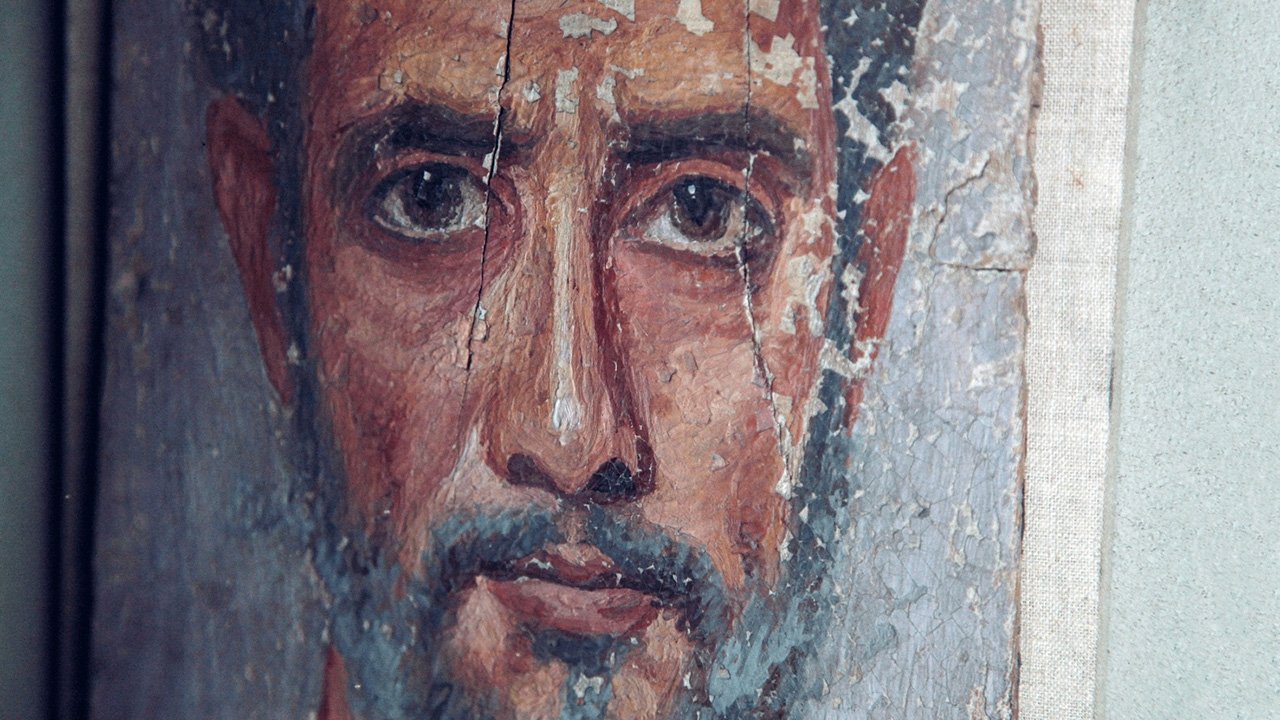
City Of Man, City Of God
Free on SceneLog — log in or create an account to track it.
Overview
In the last of the series, archaeologist and historian Richard Miles examines the rise and fall of the Roman Empire. At the height of its power, the Roman Empire extended the benefits of its civilization to a 60 million citizens and subjects in a swathe of territory that extended from Hadrian's Wall to the banks of the Euphrates. Even under the rule of mad, bad and dangerous emperors, the imperial system proved to be robust, buttressed by the support of elite families in the far-flung corners of the empire whose loyalty was ensured by a system of cultural aspiration, economic opportunity and military coercion. But the material benefits of the 'good order' delivered by Roman rule provided its citizens and subjects with the security to ask profound questions about the meaning of life, questions that the pragmatic, polytheistic Roman belief system was ill-equipped to answer. Christianity grew to fill the spiritual vacuum at the heart of Roman civilization, eventually claiming an Emperor, Constantine, as its greatest prize. The City of Man would be eclipsed the City of God.
Comments
Be the first to comment.
Leave a comment
Your email won't be published. Comments are reviewed before they appear.