
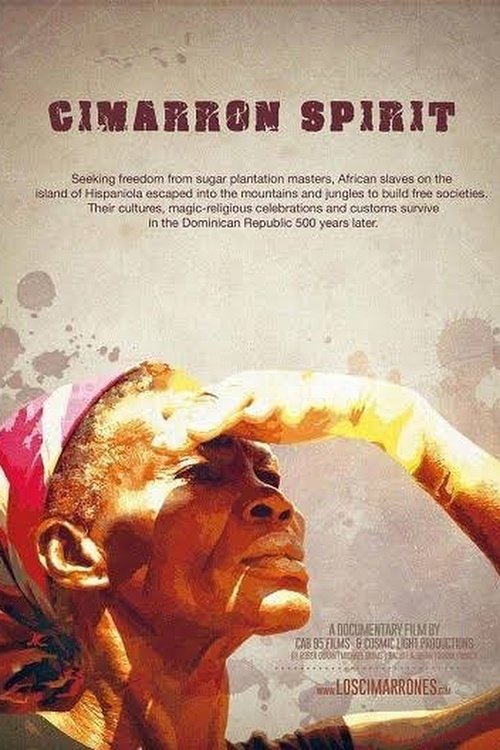
Cimarrón Spirit: Afro-Dominican Maroon Culture
Free on SceneLog — log in or create an account to track it.
Overview
In the Dominican Republic, as early as 1512, African slaves escaped from Spanish plantations and lived with the island’s Taíno Indians or on their own in mountainous jungles in the remote frontier land of Hispaniola. These people who were known as “cimarrones,” meaning “maroons,” created their own independent communities that have survived for centuries and until recently remained isolated from mainstream Dominican society. These resilient and resourceful “outlaws” have long developed their own celebrations, many of which mock a society that enslaved and branded them. Cimarrón Spirit explores carnival traditions such as the ritualistic fire burning of the masks and costumes of “Judas,” “Cocorícamo,” and “Tifúas,” as figures important to the cimarrón culture of Elias Piña.

Comments
Be the first to comment.
Leave a comment
Your email won't be published. Comments are reviewed before they appear.